
Leading Foundation Repair Tools And Materials For Effective Fixes
Identify the most trusted products and tools to address foundation problems with precision and durability.
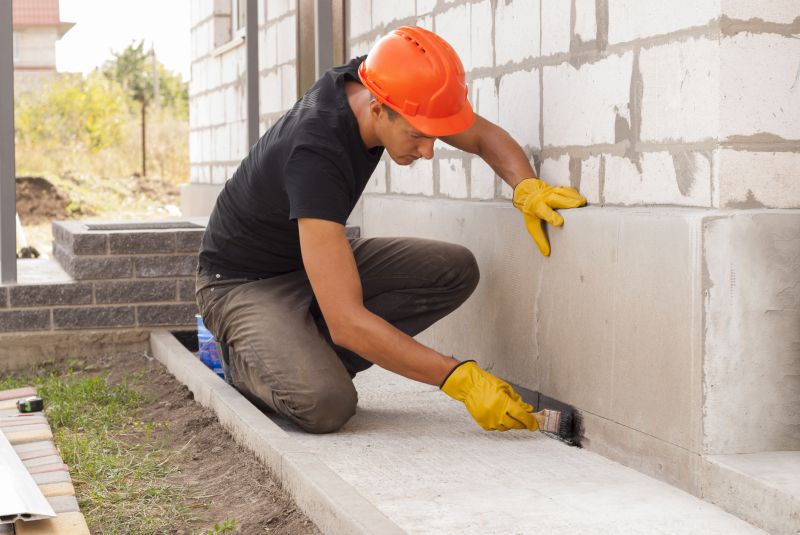 Foundation issues can pose significant challenges for homeowners in Blue Springs, MO, and addressing them promptly is essential for maintaining structural integrity and safety. Various products are available to assist in foundation repairs, each designed to target specific problems such as shifting, cracking, or settling. When considering foundation repair solutions, it is important to understand the different types of products and their applications to select the most suitable options for your needs.
Top Overall Option
Hydraulic Piering System
A hydraulic piering system involves installing adjustable piers beneath the foundation to provide stable support and lift the structure back to its original position. This method is often used for settling or sinking foundations and can be customized to fit specific load requirements. Properly installed hydraulic piers can offer a durable solution for foundation stabilization, helping to prevent further movement and damage. It is recommended to have this system installed by experienced professionals to ensure safety and effectiveness.
Types of Products For Foundation Repairs
Carbon Fiber Reinforcement Strips
These strips are used to reinforce cracked walls and prevent further cracking by adding strength and stability to existing structures.
Polyurethane Foam Sealants
Injected into cracks to seal leaks and prevent water intrusion, which can contribute to foundation deterioration.
Concrete Patching Materials
Used to repair surface cracks and surface-level damage, restoring the integrity of the foundation surface.
Steel Push Piers
Installed beneath the foundation to lift and stabilize sinking structures, providing long-term support.
Helical Piers
Screw-in foundation supports that stabilize and lift foundations in areas with variable soil conditions.
Mudjacking and Slab Jacking
A process that lifts sunken concrete slabs by injecting a mixture beneath them to fill voids and restore levelness.
Epoxy Injection Kits
Used to fill and seal cracks in concrete foundations, preventing water intrusion and further cracking.
Soil Stabilization Products
Materials designed to improve soil strength and reduce shifting or settling beneath the foundation.
Waterproofing Membranes
Applied to exterior or interior foundation surfaces to prevent water infiltration and protect against moisture damage.
Anchor Bolts
Used to secure the foundation to the framing of the house, providing additional stability in shifting soils.
Drainage Systems
Installing proper drainage solutions helps divert water away from the foundation, reducing hydrostatic pressure.
Underpinning Systems
Techniques and materials used to strengthen and stabilize existing foundations, especially in cases of severe settlement.
Vapor Barriers
Moisture barriers installed beneath or around the foundation to control moisture levels and prevent damage.
Grout and Mortar Mixes
Used for filling voids and sealing cracks, contributing to the overall stability of the foundation.
Flexible Sealants
Seal cracks and joints that may expand or contract due to temperature changes, maintaining the foundation's integrity.
Foundation Repair Kits
Comprehensive kits containing various materials and tools for DIY foundation repairs, suitable for minor issues.
Popular Choices
Commonly used for foundation stabilization, these piers can be adjusted to lift and support sinking structures.
A versatile solution for sealing cracks and preventing water intrusion in concrete foundations.
Products designed to enhance soil stability beneath the foundation, reducing shifting and settling.
Popular for protecting foundations against moisture infiltration and related damage.
Used to lift and level sunken concrete slabs, especially driveways and patios.
Frequently installed to reinforce the connection between the foundation and framing, especially in shifting soils.
Effective drainage systems are vital for directing water away from the foundation and reducing hydrostatic pressure.
Popular for quick and effective sealing of foundation cracks to prevent further damage.
Widely used to control moisture levels around foundations and prevent water-related issues.
Commonly used for sealing expansion joints and cracks in concrete structures.
Injected into voids beneath slabs to lift and stabilize concrete surfaces.
Popular for surface repairs and crack filling on foundation surfaces.
Used in cases of significant settlement to stabilize and reinforce foundations.
Foundation repair products range from simple patching materials to complex hydraulic systems. Many repairs involve stabilization methods that lift or level the foundation, while others focus on sealing cracks or preventing further movement. Proper assessment by a professional can help determine which products are appropriate for your situation. In addition, selecting quality materials can contribute to the longevity and effectiveness of the repair, reducing the need for future interventions.
It is equally important to consider the installation process and the compatibility of repair products with your home's existing structure. Some products require specialized tools or expertise, making professional installation advisable. Regular maintenance and inspections can also help monitor the condition of your foundation over time. Being informed about the various repair products available can empower homeowners in Blue Springs, MO, to make educated decisions and collaborate effectively with contractors to address foundation concerns.
Key Buying Considerations
- Assess the severity and type of foundation issue before selecting products.
- Consult with a foundation repair specialist to determine the most appropriate solutions.
- Ensure compatibility of repair products with your existing foundation materials.
- Consider the soil conditions and drainage around your property when choosing repair options.
- Look for products that have clear installation instructions or professional installation options.
- Evaluate the long-term durability and maintenance requirements of the repair materials.
- Check for warranties or guarantees offered with repair products or services.
- Determine whether the repair involves structural stabilization, crack sealing, or moisture control.
- Be aware of local building codes and regulations related to foundation repairs.
- Budget for both the product costs and potential professional installation fees.
- Prioritize products that are suitable for your specific foundation type, such as concrete, brick, or stone.
- Consider the environmental conditions that may affect the repair, such as moisture levels and soil movement.
- Research the reputation and reviews of brands or products before purchasing.
- Plan for ongoing inspections and maintenance after the initial repair to monitor foundation health.
- Understand the installation process and whether specialized tools or skills are required.